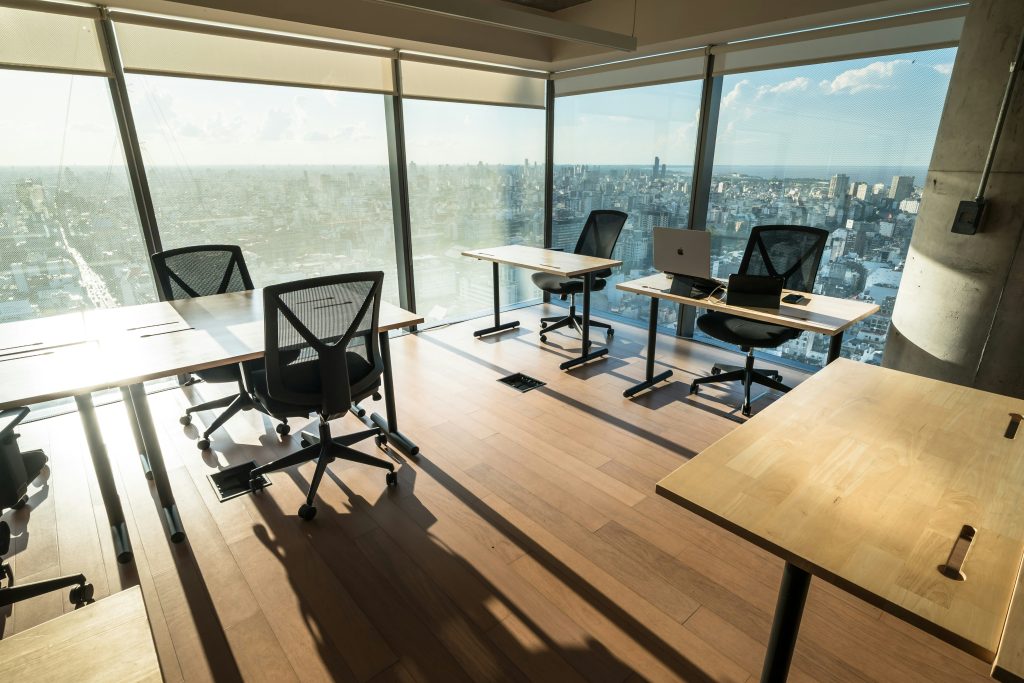
Return to office mandates are back on the calendar for 2026, and for a lot of remote-trained knowledge workers, that means relearning how to protect a few uninterrupted hours in a building designed for the opposite. Open floor plans, drop-in chats, and back-to-back meetings don’t disappear just because leadership wants more people on-site — they get worse. In this guide, you’ll learn how to protect deep work once a return to office policy puts you back at a shared desk, with a decision framework for what’s worth defending and a script you can actually use with your manager.
None of this is about resisting the policy. It’s about not losing the type of work that got you noticed in the first place — the kind that needs sustained attention, not the kind that just needs you to be visible.
Why Return to Office Mandates Are Colliding With Deep Work
The timing is awkward. Companies are pushing return to office policies at the same moment their own data on hybrid and remote productivity is, at best, mixed. Microsoft’s 2026 Work Trend Index found that AI tools are producing measurable output gains for individuals, but organizations aren’t capturing that value — researchers writing about the report for Forbes argue that culture and manager support, not location, explain most of the difference between teams that benefit from AI and teams that don’t.
Meanwhile, office attendance is genuinely climbing. Owl Labs’ State of Hybrid Work 2025 report found that 34% of hybrid employees are now in the office four days a week, up from 23% just two years earlier — what the report calls “hybrid creep.” Only 23% of employers say they’ve made a formal policy change, which means most of this shift is quieter pressure: more meetings scheduled in person, more manager expectations, fewer excuses to skip the commute.
That combination — more time in a building built for collaboration, with no real change to how deep work gets scheduled — is why a return to office often costs people their most focused hours before they even notice it’s happening.
Quick Overview: 5 Ways to Protect Deep Work Back in the Office
| Strategy | Best For |
|---|---|
| Block focus time before the floor fills up | Early risers, quiet-hours commuters |
| Use a visible do-not-disturb signal | Open floor plans, hot-desking teams |
| Negotiate a recurring focus block | Anyone reporting to a manager who schedules over you |
| Batch meetings and drop-ins into set windows | Roles with heavy meeting load |
| Pick the room for the task, not your assigned desk | Offices with pods, booths, or empty conference rooms |

The Decision Framework: What to Defend vs. What Can Wait
Not every task deserves a protected block, and treating all of them the same is how people end up defending nothing. Before you negotiate anything with a manager or teammate, sort your week into two lists.
Defend it as deep work
- Work with a real cost to interruption — writing, code, financial models, anything where losing your place means redoing part of it
- Work only you can do, with no one waiting on a quick answer from you first
- Work tied to a deadline that doesn’t move if a meeting runs long
Let it be interruptible
- Status updates, quick approvals, anything answerable in under two minutes
- Work that’s genuinely faster with someone else in the room — that’s the strongest argument for being on-site at all
- Anything you were already planning to batch into email or chat later
If a task doesn’t clearly land on the “defend” list, don’t ask for a block for it. A calendar full of protected time you didn’t need to protect is the fastest way to lose credibility the next time you ask for a real one.
5 Strategies to Protect Deep Work During Return to Office
1. Block Focus Time Before the Floor Fills Up
Most open offices are quiet for the first 45 to 90 minutes and loud for the rest of the day. If your commute allows it, put your hardest task first — before the coffee-machine conversations start and before your manager’s calendar opens up meeting slots. This only works if you actually treat it as a block on your calendar, not a mental note. A documented deep work schedule holds up better against a drop-in than “I was going to focus on that.”
2. Use a Visible Do-Not-Disturb Signal
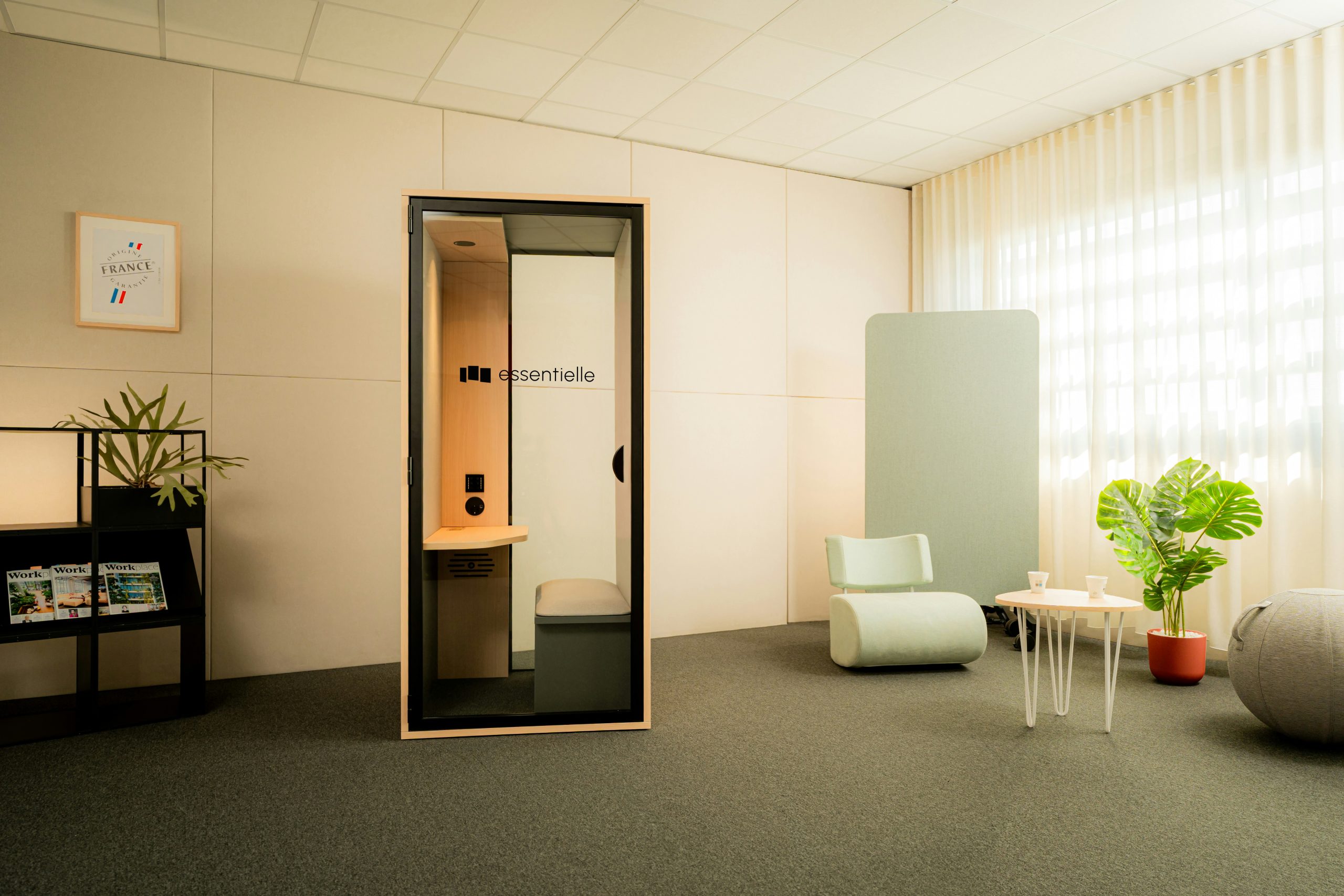
Open floor plans remove the door you used to close at home. Replace it with something visible: headphones on and a small sign, a calendar status that says “Focus — back at 11,” or a booked phone booth. None of these stop every interruption, but they change the social cost of interrupting you — a coworker has to make a conscious choice to break a visible signal, instead of just wandering over.
3. Negotiate a Recurring Focus Block With Your Manager
This is the piece that actually sticks. A focus block you set for yourself gets scheduled over the first time someone needs a meeting slot. A focus block your manager agreed to is a lot harder to erase. Here’s a short script you can copy and adapt — illustrative, not a transcript of an actual conversation:
“Now that we’re back in the office more, I want to make sure [project/task] still gets the uninterrupted time it needs. Could we agree on [90 minutes, e.g. 9:00–10:30] on [days] as a standing focus block? I’ll keep Slack and email closed during it, but I’m reachable for anything urgent through [backup channel], and I’ll flag if it’s ever not working for the team.”
Three things make this land: you’re naming a specific task with a business reason, you’re offering a fallback for genuine emergencies, and you’re proposing a review instead of asking for a permanent exception. Managers say yes to bounded requests far more often than open-ended ones.
4. Batch Meetings and Drop-Ins Into Set Windows
If your team is back on-site partly to reduce meeting friction, use that logic in your favor: push non-urgent conversations into one or two windows a day instead of letting them scatter across your schedule. Anything that doesn’t need real-time back-and-forth can move to async work — a shared doc, a recorded update, a written question — even when you’re sitting twenty feet from the person you’d otherwise interrupt.

5. Pick the Room for the Task, Not Your Assigned Desk
Most offices built for return to office have more flexible space than people use: phone booths, empty conference rooms between meetings, quiet corners near a window. Treat your assigned desk as the default, not the rule. If a task needs two hours of silence, a booked room for that window beats fighting the noise at your desk and pretending it isn’t affecting the work.
Where This Falls Short (and When It Doesn’t Fit)
None of these strategies fix a role where your job is genuinely reactive — support, dispatch, some account management — where interruptions aren’t a distraction from the work, they are the work. Forcing a two-hour focus block onto a role like that just moves the backlog rather than protecting anything.
The negotiated block also breaks down in a few common situations: a manager who books over standing holds without asking, a team culture where being seen matters more than what gets shipped, or a role so junior that saying no to a drop-in isn’t realistic yet. If that’s your situation, the more honest move is to protect the smallest deep work window you can defend — even 30 minutes — rather than asking for something you can’t hold.
It’s also worth separating a bad return to office policy from a fixable schedule problem. If your building genuinely has nowhere quiet and no flexibility on hours, no amount of calendar discipline solves that on your own; that’s a conversation about the policy itself, not a personal productivity gap. If you’re also carrying that stress home, the strategies in our guide on avoiding burnout apply just as much to a return-to-office schedule as a remote one — the causes just moved locations.
Protecting Focus as Office Mandates Increase
A return to office doesn’t have to mean losing the focused hours you built a routine around at home. It means moving that routine somewhere with less built-in privacy, which takes a decision framework for what’s worth defending, a visible signal that you’re in a block, and — most importantly — a manager who agreed to the block in writing rather than a hope that no one schedules over it.
Start with one recurring block this week. Defend it consistently before asking for a second one, and treat the boundaries you set for home office work as the floor, not the ceiling, for what you ask for on-site — our guide on setting boundaries working from home covers the same negotiation instincts this takes.
Frequently Asked Questions
Is it reasonable to ask for a focus block right after a return to office mandate starts?
Yes, especially in the first few weeks while schedules are still being renegotiated. Asking early, before your calendar fills with recurring meetings, is easier than clearing space later.
What if my manager says no to a recurring block?
Ask for a smaller version — even one 45-minute window twice a week — or ask which specific meetings could move so the block fits. A partial yes still beats no protected time at all.
Do open floor plans really hurt focus more than home offices?
They introduce more unplanned interruptions, and each one carries a real cost: the American Psychological Association notes that switching context after an interruption can cost as much as 40 percent of productive time. That’s a reason to plan around interruptions deliberately, not a reason the office itself is unworkable.
Should I try to work from a conference room every day?
Only if it’s genuinely available and your team doesn’t need it. Treat empty rooms as a tool for your hardest tasks, not a permanent workaround — booking one daily tends to create friction with teammates who need the same space.
About the author: Alex is a software developer who has worked remotely for three years. He started Deep Focus Daily to document the productivity systems that actually survive real remote work — not the advice written for offices that no longer exist. Learn more about Deep Focus Daily →