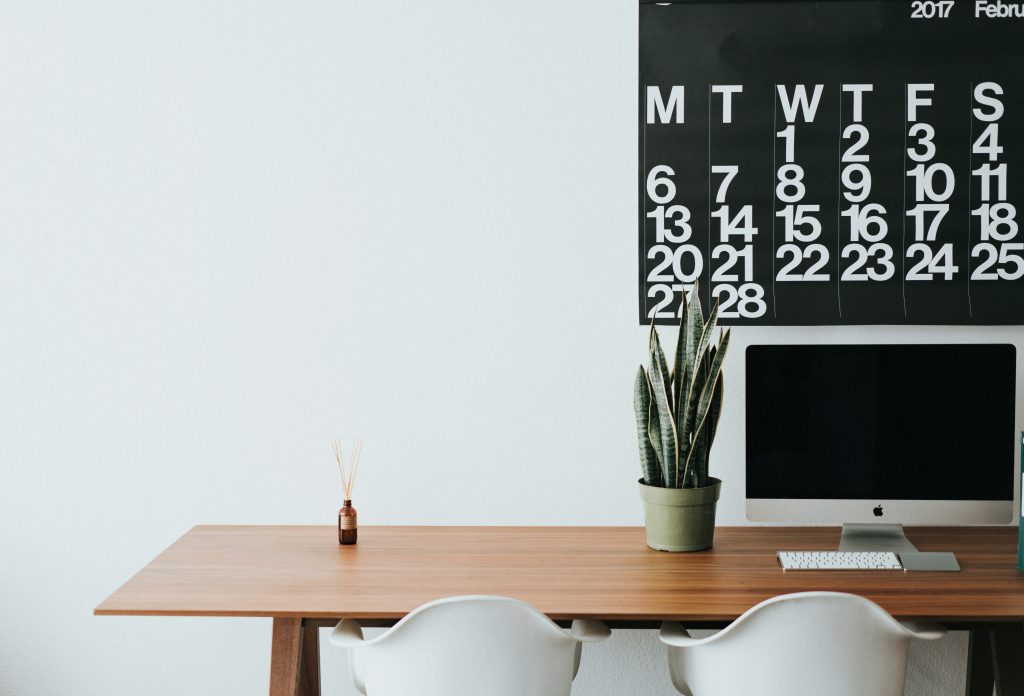
A productive home office doesn’t require a $3,000 standing desk or a $500 chair. Most remote workers can improve their workspace a lot for a few hundred dollars, if they know what actually makes a difference and what’s just expensive marketing.
This guide covers seven upgrades ranked by what they do for your comfort and focus, not by price. It also shows how to spend a small budget in the right order, and what to skip. Prices are approximate and change often, so treat them as ballparks.
Your physical setup affects posture, eye strain, energy, and long-term comfort. You don’t need luxury to get the benefits. You need the right basics, set up well.
Quick Overview: 7 Budget Upgrades
| Upgrade | Approximate cost | Impact |
|---|---|---|
| Ergonomic chair or lumbar cushion | $30 to $150 | High |
| External monitor | $120 to $200 | Very high |
| Desk lighting | $25 to $60 | High |
| Keyboard and mouse | $30 to $80 | Medium to high |
| Laptop stand or riser | $20 to $50 | High |
| Noise-cancelling headphones | $30 to $100 | High |
| Cable management | $10 to $20 | Medium |
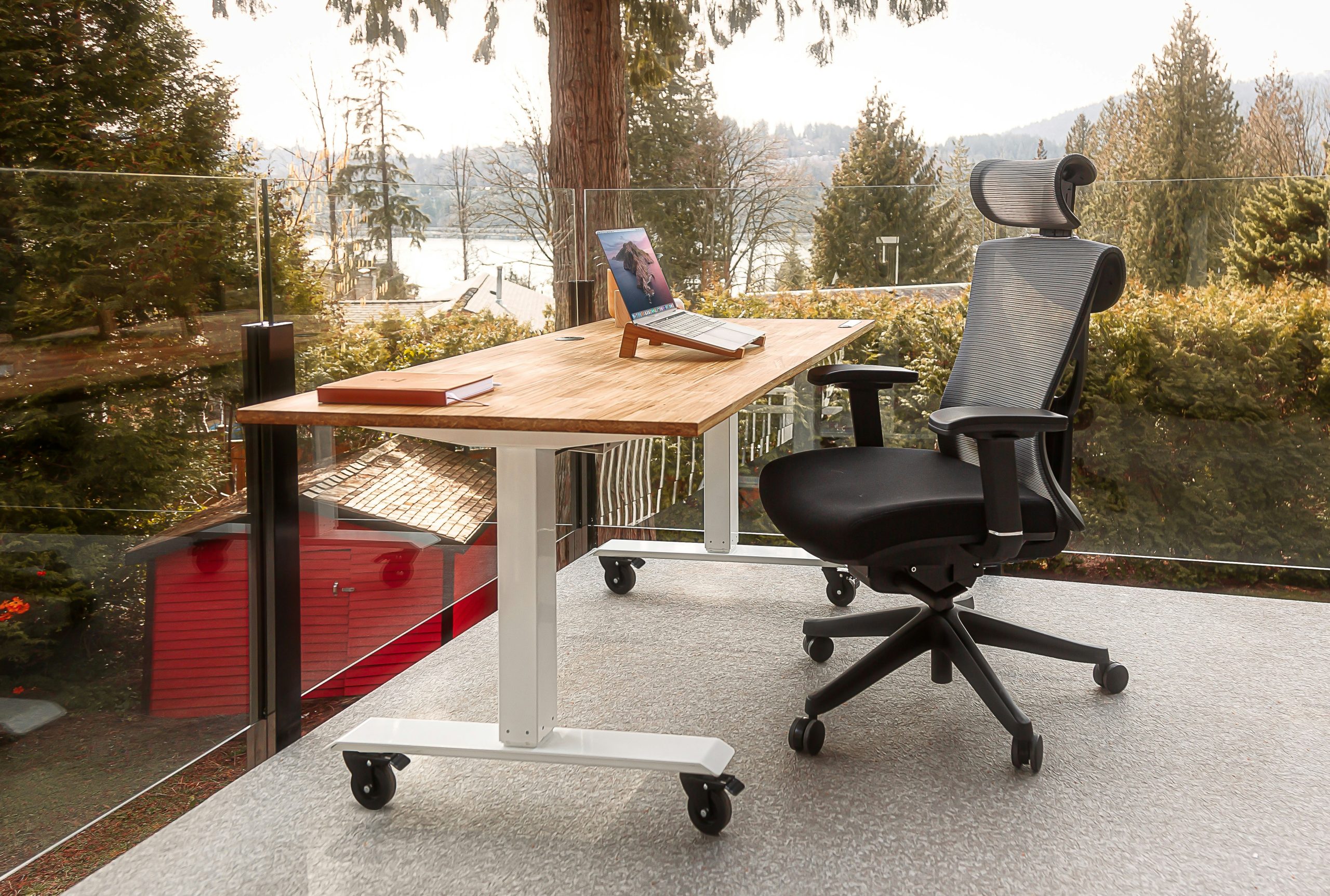
Where to Spend First: Three Budget Tiers
- Under $50: a laptop stand (or a stack of books), a lumbar cushion, and cable clips. This fixes screen height, back support, and desk clutter.
- Around $150: add a keyboard and mouse and a desk lamp. Now your hands, wrists, and eyes are set up properly.
- Around $300 or more: add an external monitor and a supportive chair. This is the setup most people can keep for years.
If you can only fix one thing, fix whatever hurts. Neck pain points to screen height, lower back pain to your chair, tired eyes to lighting.
7 Simple Upgrades
1. Fix Your Chair First
If you sit on a dining chair or a worn couch cushion for six to eight hours a day, you’ll feel it in your back and your focus. OSHA’s ergonomics guidance treats proper seating as a foundation of a healthy workstation, since it affects posture, circulation, and musculoskeletal health.
You don’t need a premium brand. Look for adjustable seat height, lumbar support, and adjustable armrests as a minimum. A budget ergonomic chair often lands between $80 and $150. A lumbar cushion for $30 to $50 on your current chair is a cheaper first step.
2. Add an External Monitor
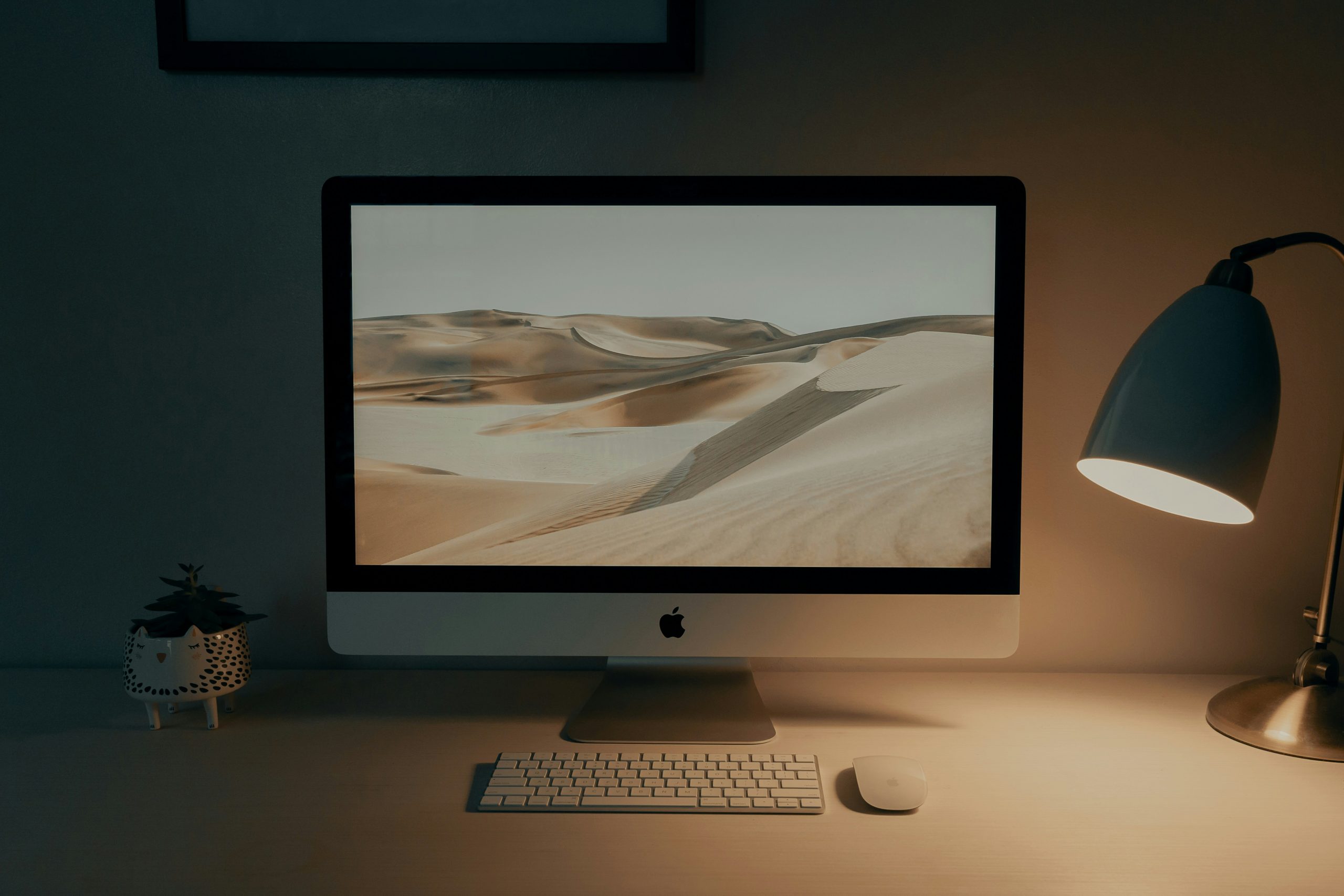
If you work only on a laptop screen, an external monitor is one of the highest-value upgrades. A 24-inch 1080p monitor typically costs $120 to $160 and gives you far more room for documents, calls, and reference material. It also lets you raise the screen to a healthier height.
Look for an HDMI input, 1080p resolution, and at least a 75 Hz refresh rate. Budget monitors from AOC, Acer, and LG usually meet that. An eye-care mode that reduces blue light is a nice extra for long sessions.
3. Get the Lighting Right
Poor lighting causes eye strain, headaches, and fatigue that build over a workday. The ideal is natural light from the side, not behind your screen (glare) and not in front of you (a backlit face on video calls). If your space is dim, an LED desk lamp with adjustable color temperature costs about $25 to $50.
For video calls, a small ring light or a lamp facing you at eye level improves how you look on camera more than a better webcam does. We cover this in detail in our guide to home office lighting.
4. Use a Proper Keyboard and Mouse
A laptop keyboard flat on a desk pushes your wrists into an awkward angle for hours. An external keyboard lets you position your hands properly. Budget options from Logitech and similar brands run about $30 to $50, and a wireless mouse adds another $15 to $30. Together with a raised screen, this frees you to work in a proper posture.
5. Raise Your Screen to Eye Level
Looking down at a low screen strains your neck, one of the most common complaints among remote workers. Your screen should sit at about eye level so your neck stays neutral. A laptop stand costs $20 to $35, and a stack of books works for a desktop monitor.
This change plus keyboard placement covers the core of an ergonomic setup without premium equipment. For a fuller checklist, see our ergonomic home office setup guide.
6. Invest in Decent Headphones
If you share space with others or deal with ambient noise, headphones are a work tool, not a luxury. Budget noise-cancelling models such as the Anker Soundcore line and various Sony and JLab options offer solid noise reduction at low prices, though models and prices change often.
Pair them with a focus app to build a space you can carry anywhere. A distraction-free home office setup covers the rest of the environment.
7. Manage Your Cables
Cable clutter is low-level visual noise. Cable clips, velcro ties, and a simple tray cost roughly $10 to $20 and take about half an hour to install. A tidy desk makes it easier to settle into work.
What to Skip (Or Buy Used)
- Skip: gaming-style chairs sold on looks, oversized desk pads, and “smart” gadgets that add notifications to your desk.
- Buy used: monitors, office chairs, and desks. Business liquidators, local marketplaces, and refurbished listings often have solid pieces for much less. Test the chair’s height adjustment and lumbar support in person.
- Wait on: a standing desk. Budget models can be worthwhile once your chair, screen height, and lighting are sorted, since alternating sitting and standing may help some people. A standing desk with a bad monitor height fixes nothing.
If your problem is space rather than money, read home office ideas for small spaces.
A 10-Minute Weekly Reset
- Clear the desk of cups, papers, and cables you don’t use daily.
- Check screen height and chair position. They drift.
- Wipe the screen and keyboard.
- Put tomorrow’s top task on a sticky note where you’ll see it.
Start With the Basics
A good budget setup starts with ergonomics (chair, screen height, keyboard position) and lighting, because they affect you every hour of every workday. Add the other upgrades to fix your specific friction points. Don’t try to do it all at once. Pick the one upgrade that would help most, buy it this week, and build from there.
Frequently Asked Questions
What’s the most important item for a budget home office?
Your chair, since you spend more hours in it than in any other piece of equipment. If your budget is tight, fix screen height first, because it’s the cheapest way to relieve neck strain.
Can I build a functional setup for under $200?
Roughly, yes, if you prioritize. A monitor (about $150), a laptop stand ($25), and a lamp ($25) already transform a basic setup. A keyboard and mouse push the total closer to $250.
Is a standing desk worth it on a budget?
Budget standing desks can be worthwhile once the basics are covered, and alternating between sitting and standing may help some people feel better. Get your chair, screen height, and lighting right first.
Do I need a dedicated room?
No. You need a consistent, dedicated space, even one corner of a room. Your brain learns to associate that spot with work.
One large monitor or two smaller ones?
For most knowledge workers a single 27-inch monitor works better than two small ones, because there’s no seam between displays. Two screens help with specific workflows, such as keeping a document open on one while writing on the other.
About the author: Alex is a software developer who has worked remotely for three years. He started Deep Focus Daily to document the productivity systems that actually survive real remote work — not the advice written for offices that no longer exist. Learn more about Deep Focus Daily →