
Most professionals say they want to read more, but by 9 PM their eyes are on a screen, not a page. This guide shows how to build a reading habit that survives a packed calendar, using five tactics that take less willpower than motivation ever will.
None of this requires an extra free hour. Reading regularly may also be good for you. In an observational study of older adults led by Becca Levy at the Yale School of Public Health, “A chapter a day”, people who read books for up to about three and a half hours a week had a lower risk of dying over the 12-year follow-up than non-readers. The study can’t prove reading was the cause, and the participants were older adults, but it’s a reminder that small daily doses add up.
A real reading routine rests on five small mechanics: habit stacking, micro-reading, audiobooks, a reading list system, and less screen competition. Combine them and you’ll likely finish more books this year without blocking off a “reading hour” that never happens. If you’re unsure what to read first, see our list of productivity books for remote workers.
Quick Overview: 5 Steps to Read More as a Busy Professional
| Step | Strategy | Best for |
|---|---|---|
| 1 | Habit stacking | People who forget to read at all |
| 2 | Micro-reading sessions | Packed, unpredictable schedules |
| 3 | Audiobooks during commutes or chores | Long commutes, gym time, cooking |
| 4 | Reading list system | Anyone who abandons books midway |
| 5 | Reducing screen-time competition | Phone-scrolling before bed |

Step 1: Stack Reading Onto an Existing Routine
The biggest reason professionals don’t read is that reading has no fixed slot. Meetings have slots and email has a slot, but reading gets whatever is left, which is often nothing. The fix is habit stacking: attach the new habit to something you already do every day.
Pick an Anchor You Already Do Every Day
Good anchors are boring and unavoidable: your first coffee, brushing your teeth, sitting at your desk, or waiting for your laptop to boot. Say it out loud if it helps: “After I pour my coffee, I read two pages.” The anchor does the remembering for you.
Start With a Two-Page Minimum
Don’t stack a 30-minute goal onto a 90-second coffee pour. Start absurdly small: two pages, one paragraph, even one sentence. Once the pairing is automatic, the page count often grows on its own. Reading habits fail most often because the starting bar was too high, not because the person lacked discipline.
Step 2: Use Micro-Reading Sessions Instead of Waiting for Free Time
Waiting for a free hour is the quiet killer of reading goals. That hour rarely shows up, and when it does you’re often too tired. Micro-reading treats reading as something you slot into the cracks of a day.
The 10-Minute Sprint
Set a timer for 10 minutes, once or twice a day, and read without checking your phone. At a typical reading pace of roughly 250 words a minute, 10 minutes is about 2,500 words. Two sprints a day is around 5,000 words, which is enough to finish a 300-page book in a few weeks. One after lunch and one before bed works for many people.
Turn Waiting Time Into Reading Time
Waiting rooms, the lunch line, or a meeting that starts five minutes late add up to real time each week. Keep a book or e-reader app on your phone’s home screen, not buried behind social apps, so your default in idle moments becomes a page instead of a feed.
Line Up Your Reading in Advance
Nothing kills a session like spending the first three minutes hunting for something to read. Load three or four books onto your e-reader or nightstand so there’s never a gap between one title and the next.
Step 3: Turn Commutes and Chores Into Audiobook Time
If your hands or eyes are busy but your ears are free (driving, walking the dog, doing dishes, folding laundry), that’s reading time you’re leaving unused. Audiobooks turn repetitive time into books finished, at no cost to your schedule.
Best Moments for Audiobooks
Commuting is the obvious one, but chores are underrated. A 20-minute kitchen cleanup or a grocery run can absorb half a chapter. Stack the audiobook onto the chore the way you stacked print reading onto your coffee in Step 1.
Pick the Right Speed and Genre
Start at normal speed and raise it only when the narrator feels slow. Jumping straight to 2x often makes people tune out. Nonfiction and business books tend to handle faster speeds better than dense fiction. With a long commute, audiobooks alone can account for many finished titles a year.
Step 4: Build a Reading List System You Will Actually Use
Professionals often abandon books because nothing decides what’s next. Momentum dies the moment one book ends and the search for the next one stalls everything. A reading list system removes that decision.
Keep One List, Not Five
Scattered notes-app entries and half-remembered recommendations are why to-read piles never shrink. Consolidate into one list: a notes app, a spreadsheet, or a tracker like Goodreads, which also shows progress and how many books you’ve finished this year.
Log What You Read, Not Just What You Plan To
Capture highlights, quotes, and short summaries so you can find them later instead of remembering “a good book about focus.” If you keep a second brain for work notes, add a “Books” section and route every highlight there. Writing a few lines about what you’ll do differently also pairs well with journaling.
Sort Your List Into Three Simple Buckets
- Next up: the one or two books queued right now
- Someday: anything you’re curious about but not ready to start
- Finished: a short log with one line on what you took from it
Three buckets are enough. More elaborate systems turn the list into a chore.
Step 5: Reduce Screen-Time Competition
Books lose to phones because phones are engineered to win. Notifications, badges, and autoplay pull attention back to the screen, and a paperback can’t compete without help. Reducing that competition is often the highest-leverage step.
Create Friction for Your Phone
Charge your phone outside the bedroom, delete one distracting app for a week, or leave it in another room during your reading window. None of this needs willpower. It just makes the book the closer object. Options in order of how much friction they add:
- Switch your phone to grayscale during your reading window
- Set a daily app timer on your two most-used apps so they lock automatically
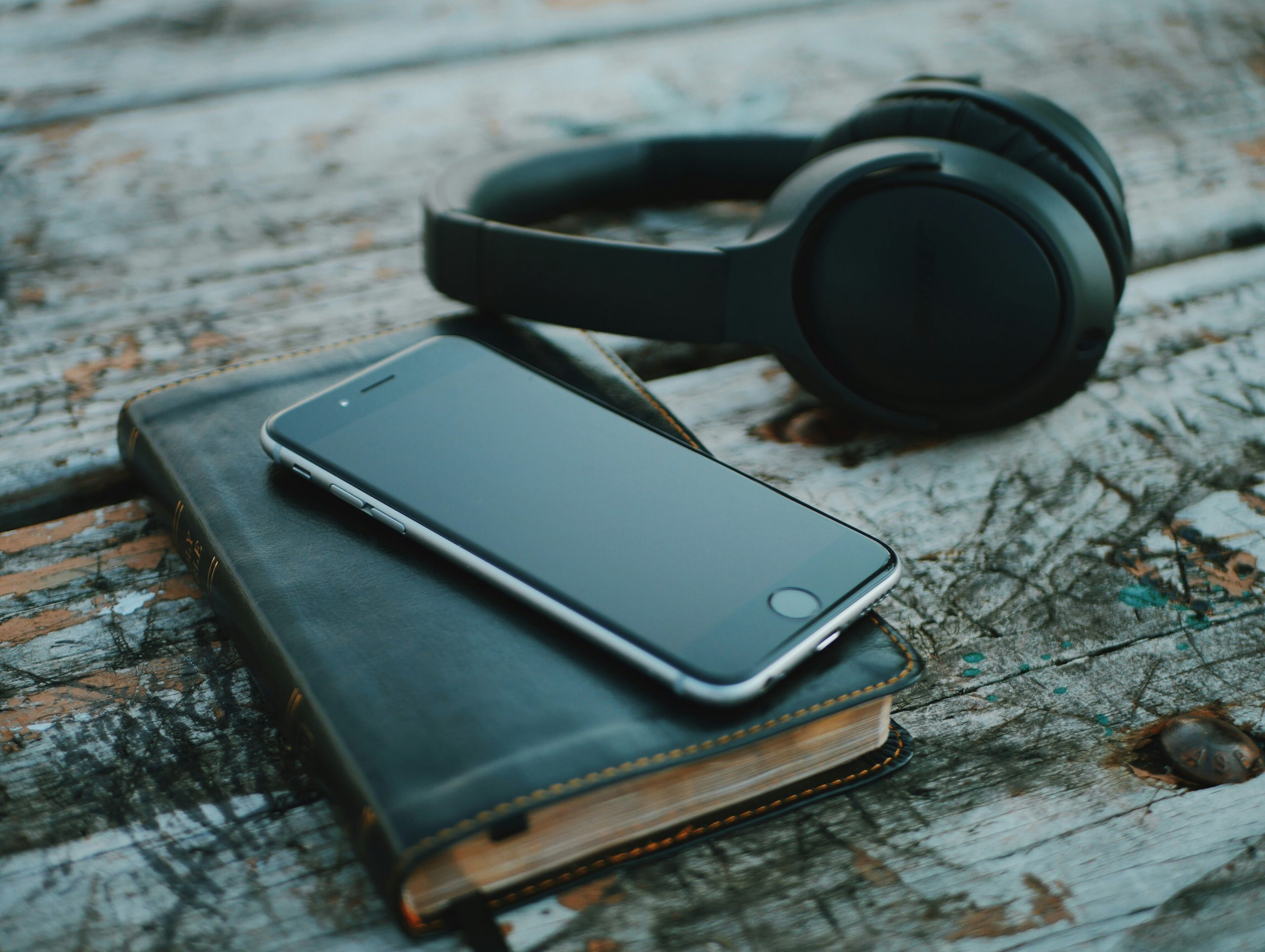
- Keep the book physically on top of the phone, not the other way around
If the pull of your phone feels strong, our steps for a digital detox and our guide to digital minimalism go further.
Design a No-Screen Reading Window
Pick one recurring window, such as 20 minutes after dinner or the last slot before lights out, and keep it screen-free by default. If you already run a Sunday reset routine, use part of it to plan next week’s window so the habit survives a busy Monday.
A Four-Week Plan
- Week 1: pick your anchor and read two pages after it each day.
- Week 2: add one 10-minute sprint and load your reading queue.
- Week 3: add an audiobook to one chore or commute.
- Week 4: set your no-screen window and keep a short log of what you finished.
Make Reading Automatic
You don’t need a free weekend or a slower job to read more. You need an anchor, a small daily minimum, an audiobook for dead time, one reading list, and fewer screens competing for the same 20 minutes. Pick one step and start today. A reading habit is built two pages at a time, not in a single burst of motivation.
Frequently Asked Questions
How long does it take to build a daily reading habit?
It varies. Many people find it runs without reminders after a few weeks of daily practice, and it tends to stick faster when stacked onto an existing routine and started with a very small minimum.
What’s the best time of day to read?
The best time is the slot you can protect consistently. Morning coffee, a lunch break, or a screen-free window after dinner all work, as long as it repeats at the same anchor daily.
Are audiobooks as good as print?
For taking in a story or an argument, many people find they work well. A 2019 brain-imaging study by Fatma Deniz and colleagues in the Journal of Neuroscience found that the meaning of words was represented in very similar ways whether people listened to stories or read them, though print may suit dense material you want to reread. For a long commute, audiobooks are often the highest-impact format because they use otherwise idle time.
How many books should professionals read a year?
There’s no required number. About one a month is a realistic target for many people starting from zero. Consistency across the year matters more than any total.
What if I keep losing the habit after a few days?
Shrink the daily minimum until it feels almost too easy to skip, and take your phone out of the reading environment for that window. Many people restart with a goal that was too big the first time, so go smaller before giving up.
About the author: Alex is a software developer who has worked remotely for three years. He started Deep Focus Daily to document the productivity systems that actually survive real remote work — not the advice written for offices that no longer exist. Learn more about Deep Focus Daily →